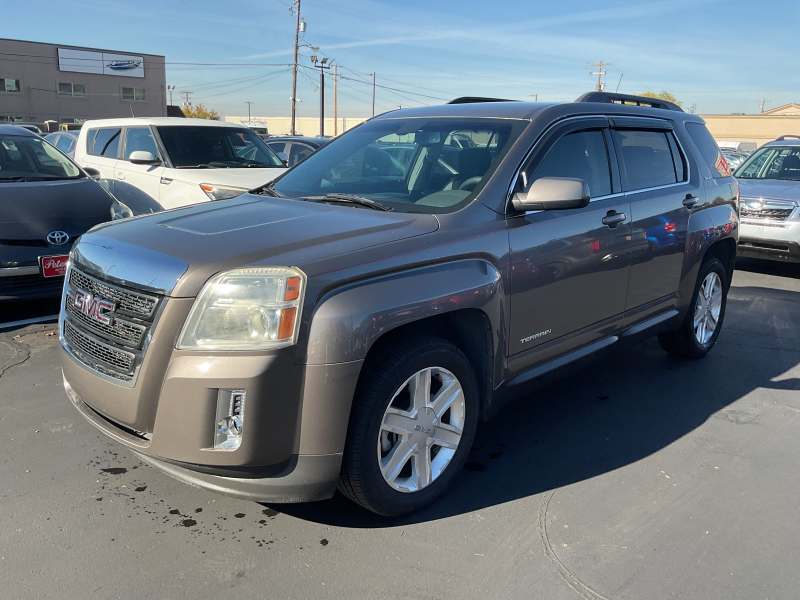
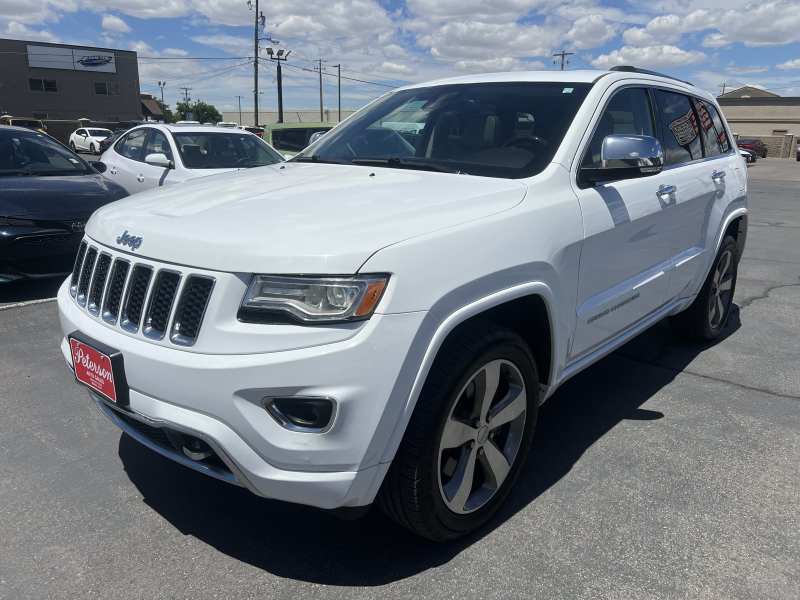
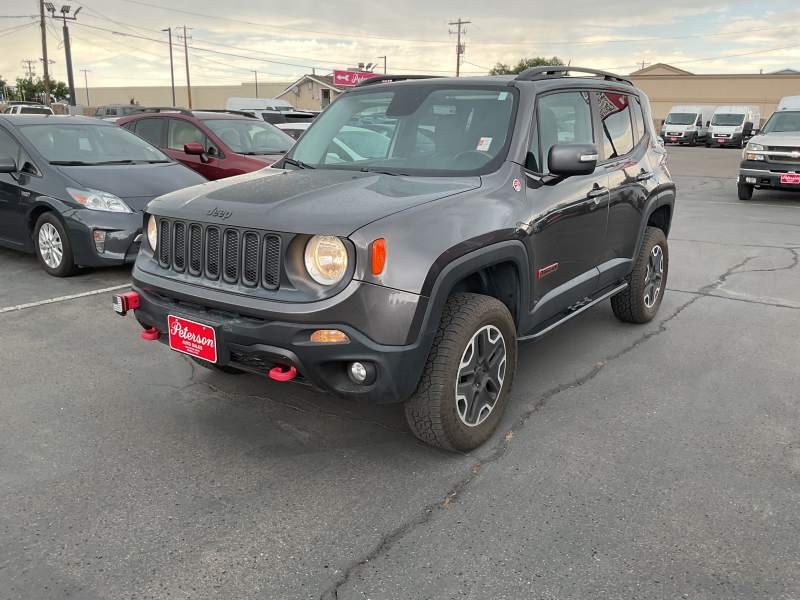
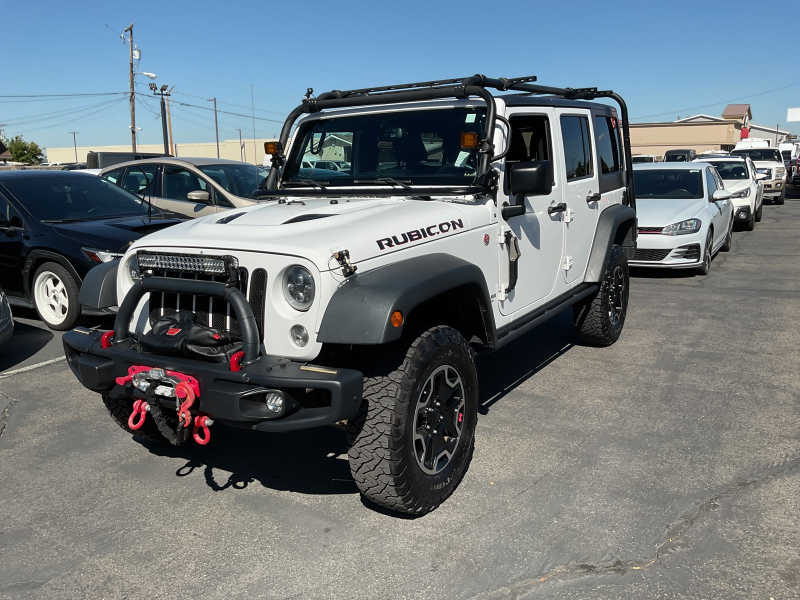
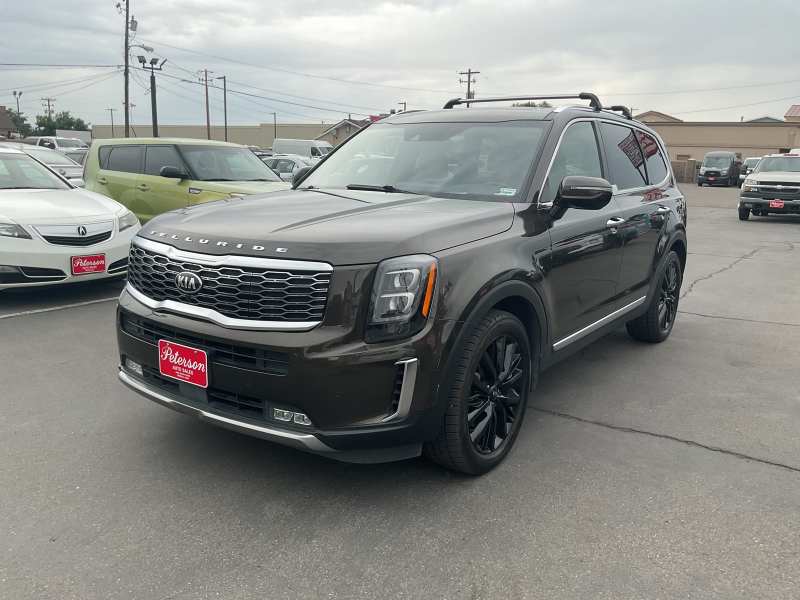
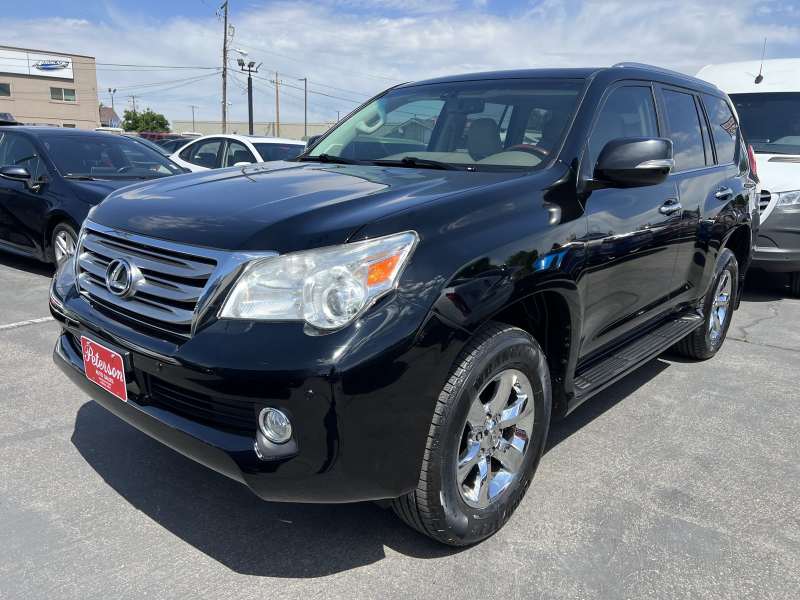
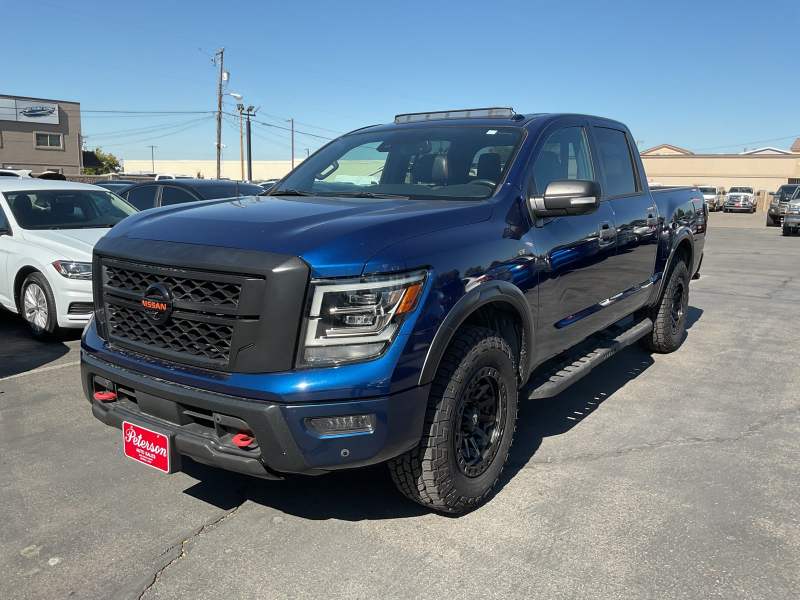
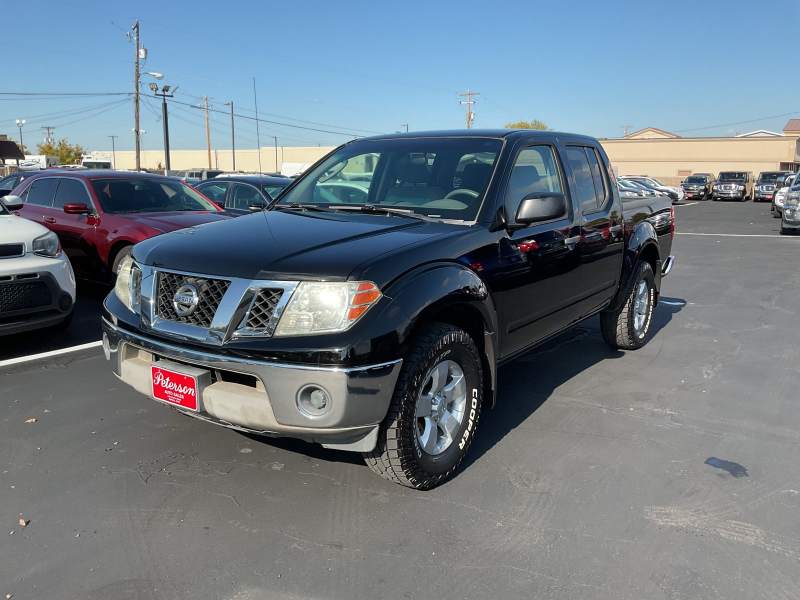
If you're driving up Parleys Canyon during a January storm or heading up Little Cottonwood Canyon on a powder day, the difference between all-wheel drive (AWD) and four-wheel drive (4WD) matters more than you may realize, and buying the wrong car for your life along the Wasatch is an easy mistake to make.
In practice, most Utah commuters (Salt Lake to Sandy, Murray to Draper, anywhere along I-15) are better served by AWD. It works automatically and needs little maintenance. 4WD makes sense if you regularly drive off-road, tow, or haul gear into the backcountry.
Utah's traction law is about tires, not drivetrains, and it never requires AWD or 4WD. When UDOT puts it into effect on canyon roads such as Parleys (I-80) and Big and Little Cottonwood, AWD and 4WD vehicles need tires marked M+S or 3PMSF on all four wheels, and a two-wheel-drive car needs 3PMSF tires on all four wheels or chains. In Big and Little Cottonwood, the tires also need at least 5/32 inch of tread. Our guide to
Utah's traction law
covers the details, and
UDOT's traction law page
has the current rules.
| Use case |
AWD |
4WD |
| Daily commute on I-15 / 215 / paved valley driving |
✅ Plenty |
More than you need |
| Ski canyons (Big and Little Cottonwood, Parleys) |
✅ With M+S or 3PMSF tires on all four wheels (at least 5/32 inch of tread in the Cottonwoods)
|
✅ Same tire rules |
| Off-road, towing in deep snow, backcountry |
Often not enough |
✅ The better choice |
Once you know which type fits your driving, the next question is which models to look for.